

Quick answer: The best softball hitting drills are tee work, soft toss and front toss. Tee work builds a repeatable swing path, soft toss trains timing and hand-eye coordination, and front toss adds live pitch speed. Do each drill with a purpose, keep reps focused, and move up only when the swing stays balanced.
Key takeaways
- Start every hitter on the tee. A good swing is built slowly before it is tested at speed.
- Match the drill to the problem: tee for path, soft toss for timing, front toss for pitch recognition.
- Quality beats quantity. A few focused swings are worth more than a bucket of tired ones.
- Balance and a short, direct path to the ball matter more than power at every level.
- Hitters of every age can follow the same progression. Only the speed, distance and number of drills change.
What are the best softball hitting drills?
The best softball hitting drills are the ones that isolate one part of the swing, are easy to repeat, and let the hitter feel a clear result. For most players that means three core drills: tee work, soft toss and front toss. Everything else is a variation of these.
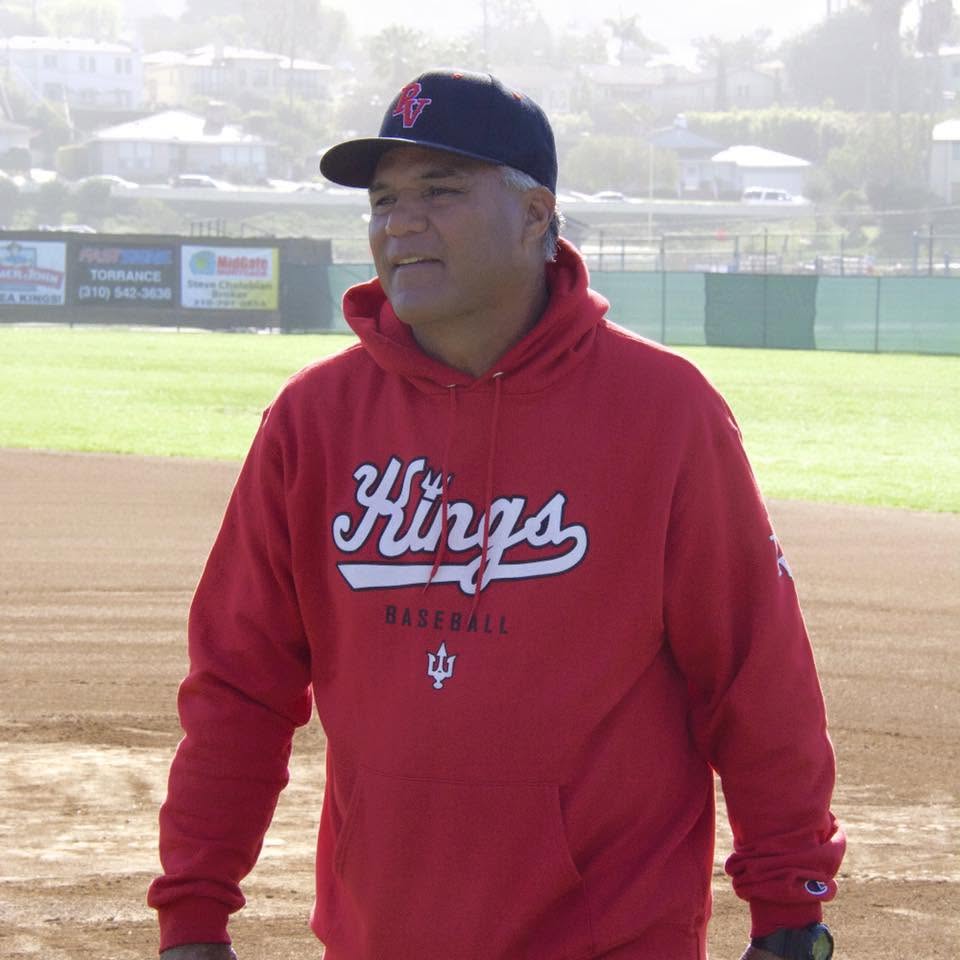
Coach Murphy Su’a coaches both baseball and softball, and the same hitting idea carries across both: build a balanced, repeatable swing first, then add speed. In our free baseball and softball clinics (next season in planning), hitters work through these drills in order. Each step prepares the next one.
A drill is only useful if the hitter knows what it is for. Before every drill, tell the player the one thing you are working on. That might be keeping the head still, staying balanced, or getting the barrel to the ball on time.
Free for parents, coaches and players
Get the free drill pack
19 baseball and softball drills for hitting, fielding, throwing and pitching, plus a 60-minute practice plan. One printable PDF, sent to your inbox.
How do you set up a good softball hitting stance?
A good softball hitting stance is a balanced, athletic position with the feet about shoulder width apart, knees slightly bent and weight evenly spread over both feet. Good drills only work when the starting position is sound.
- Stand with your feet a little wider than your shoulders and your knees soft.
- Keep your weight on the balls of your feet, not leaning back on your heels.
- Hold the bat with your hands relaxed and your elbows comfortable, not locked.
- Keep your head still and your eyes level, looking at the pitcher.
- Take a breath and stay loose before the pitch arrives.
Check the stance before you start any drill. A player who starts off balance will rarely finish balanced. For a deeper look at how the swing works, read our guide on swing mechanics. The core ideas of balance, load and path apply to softball hitters too.
How does tee work build a better swing?
Tee work builds a better swing because the ball is not moving. The hitter can slow down, feel each part of the swing and repeat it. It is the most useful softball hitting drill at every level, from a first-year player to a college hitter.
Basic tee drill
- Set the tee at belt height in front of the plate, lined up with the front hip.
- Take your stance and check your balance.
- Swing through the ball with a short, direct path and finish with your weight on your front side.
- Watch where the ball goes. A line drive up the middle is the goal.
- Take 8 to 10 swings, then rest or switch drills.
What it fixes: an uneven swing path, a hitch before contact, and poor balance.
Tee location drill
Move the tee to different spots: inside, middle and outside. Place the ball where a pitch would be and hit it to the matching part of the field. Inside pitches are hit out front, outside pitches are hit deeper and to the opposite field. What it fixes: contact point and pitch location. Take 5 swings at each spot.
Tee drill with a high and low tee
Raise the tee for a high pitch and lower it for a low pitch. The hitter adjusts the body, not the swing speed. What it fixes: hitters who can only handle one pitch height. Take 5 swings at each height.
What is a soft toss drill and how do you run it?
Soft toss is a drill where a partner tosses the ball underhand from the side so the hitter can swing at a moving ball without facing full pitch speed. It trains timing and hand-eye coordination.
- The tosser kneels or sits about four to five feet away, off to the side and slightly in front of the hitter.
- The tosser shows the ball, then tosses it softly into the hitting zone.
- The hitter tracks the ball with the eyes, stays balanced and swings through it into a net or fence.
- Repeat for 8 to 10 swings, then switch roles.
What it fixes: late swings, rushed swings and eyes that drift off the ball. Use a net or fence so the hitter can see the ball hit it and know the contact was good. Tossers need to stay behind a screen or well to the side for safety.
Variations to keep it interesting
- Two-ball soft toss: the tosser holds two balls and the hitter says which one is tossed. This sharpens focus.
- Opposite field soft toss: the hitter aims every ball to the opposite field. This teaches staying back on the ball.
- Mixed-height soft toss: the tosser varies the height so the hitter adjusts.
How does front toss prepare a hitter for live pitching?
Front toss prepares a hitter for live pitching by letting them see the ball come from the front, the way a pitcher delivers it, at a speed the coach controls. It is the bridge between soft toss and facing a real pitcher.
- The coach sits behind a protective screen about 15 to 20 feet in front of the hitter.
- The coach tosses the ball underhand at a steady, comfortable speed into the zone.
- The hitter takes a full swing, tracks the ball all the way in and tries to hit line drives.
- Mix in a few inside and outside tosses so the hitter has to decide.
What it fixes: pitch recognition, timing against a pitcher and swinging at bad pitches. Always use a screen. Increase speed only when the hitter keeps good form.
Hitters who want to see how this connects to bigger gains in swing speed can read our guide on how to increase bat speed.
What softball hitting drills work for beginners versus advanced players?
Beginners should stay with the tee and slow soft toss. Advanced players use the same drills with more variety, more pitch speed and a tougher goal for each rep. The progression does not change. The challenge does.
Beginners
- Tee work from the middle of the plate, focusing on balance.
- Slow soft toss with a large target, like a net.
- Short sessions so the hitter stays fresh and enjoys it.
Intermediate hitters
- Tee work with location changes: inside, middle, outside.
- Soft toss with variations, including opposite field.
- Front toss at a comfortable speed.
Advanced hitters
- Front toss with mixed locations and a hit-it-where-it-is-pitched goal.
- Live batting practice with a plan for each at-bat.
- Video review of the swing with a coach, if you have access to one.
Older hitters who are thinking about the next level can also read our college recruiting guide for ideas on how to prepare. Coach Su’a works one-on-one with high school and college players through player development.
How often should a softball hitter practice?
A softball hitter should practice a few focused sessions each week rather than one long, tired session. Short, regular practice builds habits better than occasional marathons.
A simple plan works well for most players. Start each session with five to ten minutes of light movement and easy swings. Then pick two drills, not five, and give each a clear goal. End with a few swings off the tee to finish on a good one. Rest matters too. Hitters who swing tired often pick up bad habits.
Mental focus is part of hitting. Our guide to mental skills for young athletes covers staying calm at the plate and bouncing back after a bad at-bat.
Frequently asked questions
How many swings should a hitter take in one practice?
There is no magic number. Take enough swings to learn something, then stop before form breaks down. For most young hitters, 8 to 10 focused swings per drill and two or three drills per session is plenty. Stop a drill when the swing gets sloppy.
Can a player practice softball hitting at home?
Yes. A tee, a net and a few balls are enough to do tee work and soft toss with a partner. Practice in an open area, use a net or fence so balls do not travel far, and keep the tosser to the side or behind a screen.
What is the difference between soft toss and front toss?
In soft toss, the partner tosses from the side at a slight angle. In front toss, the tosser sits in front of the hitter behind a screen. Front toss looks more like a real pitch, so it is the next step after soft toss.
Do baseball hitting drills work for softball?
Many do. Tee work, soft toss and balance drills carry over because both sports reward a balanced, repeatable swing. The pitch is different, though, so hitters should also practice against softball-sized balls and the softball pitching distance.
How do I know if my daughter is ready for front toss?
She is ready when she makes solid contact off the tee and soft toss most of the time and stays balanced through the swing. If her swing falls apart as the ball moves faster, go back one step and build confidence first.
Do I need a hitting coach to improve?
A coach is not required, but a second set of eyes helps. A coach can spot habits the hitter cannot feel. Players in the South Bay can join our free clinics when the next season starts, then ask about one-on-one work if they want more.
Work on your swing with a coach
Our free baseball and softball clinics will be open to players of all ages. Sign up here and bring your bat and glove.