

Quick answer: What makes a good team captain is character more than talent. A strong captain leads by example, communicates clearly, listens, stays calm under pressure, holds teammates accountable with respect, and puts the team first. Captains support the coach and make sure every teammate feels included and valued.
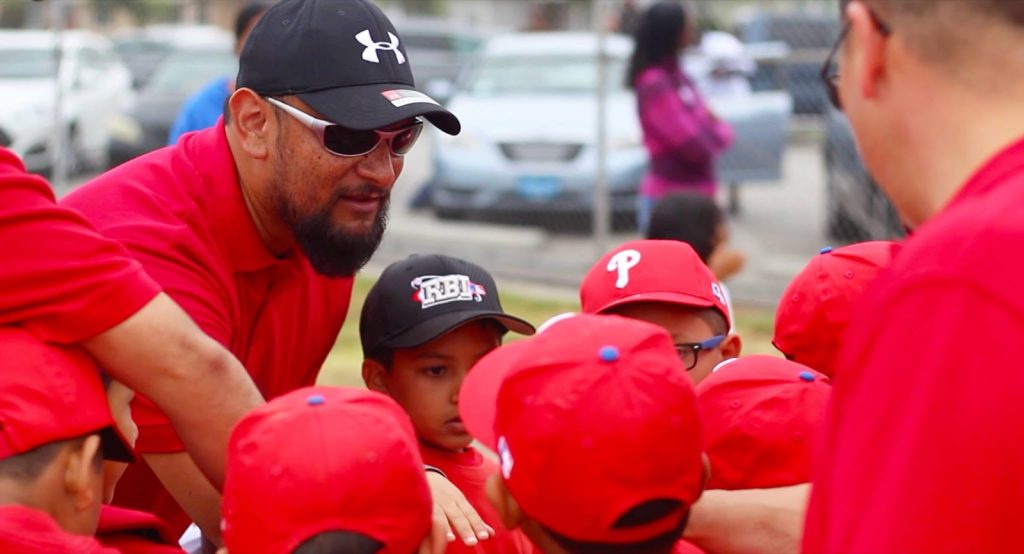
Key takeaways
- A captain leads by example first: effort, attitude and honesty in every practice.
- Listening matters as much as speaking, and good captains do both.
- Accountability means holding yourself to the standard first, then helping teammates do the same.
- Captains build team culture by including everyone, especially new and quiet players.
- Leadership is a skill, and any young athlete can practice it before they ever wear a C.
What makes a good team captain?
What makes a good team captain comes down to a short list: leads by example, communicates clearly, listens well, stays calm under pressure, holds teammates accountable with respect and puts the team before personal goals. Skill helps, but character is what teammates follow.
A team captain is a player-leader who connects teammates and coaches. The captain sets the tone in the locker room, at practice and during tough moments in a game. The title is small. The job is not.
Young athletes and parents often assume the captain should be the best player. Sometimes that is true. But a gifted player who ignores teammates or complains about calls is a poor captain. A steady player who works hard and lifts others up is often the best choice.
Free for parents, coaches and players
Get the free drill pack
19 baseball and softball drills for hitting, fielding, throwing and pitching, plus a 60-minute practice plan. One printable PDF, sent to your inbox.